
How to Clean Windows Without Streaks: The Complete Step-by-Step Guide
The secret to cleaning windows without streaks isn't the expensive spray cleaner at Bunnings. After completing over 3,300 window cleaning jobs across Brisbane, I can tell you that streak-free windows come down to three things: the right solution, proper technique, and understanding how our humid subtropical climate affects the process.
Most Brisbane homeowners reach for Windex or similar spray cleaners, which actually cause streaking because they contain surfactants and additives that leave residue on glass. Professional window cleaners use a completely different approach that works consistently, whether you're cleaning windows on a Queenslander in Paddington or a modern home in Graceville.

Why Commercial Glass Cleaners Create Streaks
Commercial window cleaners contain chemicals designed for convenience, not perfect results. These products leave microscopic residues that become visible as streaks, especially in Brisbane's high humidity environment where temperature changes are frequent.
The professional method eliminates this problem by using only water and a small amount of quality dishwashing liquid. This creates the perfect slip for squeegee work while providing excellent cleaning power without leaving any residue behind.
Professional window cleaners also use a wet-wash-squeegee system instead of spray-and-wipe methods. This removes all cleaning solution from the glass rather than spreading it around with a cloth.
Essential Tools for Professional Results
Quality tools make the difference between frustrating streaky windows and professional results every time.
A 12-14 inch squeegee with sharp, flexible rubber is non-negotiable. The rubber should extend slightly beyond the metal clips to protect window frames. Replace the rubber every 6-12 months or when you notice any nicks or hardening.
You'll need a microfibre applicator or washer to apply cleaning solution and scrub the glass. These hold the right amount of solution and distribute it evenly across the glass surface.
Use a clean bucket with fresh water only. Never add detergents to your bucket water, as this creates the wrong solution consistency and can cause streaking.
Premium dishwashing liquid like Morning Fresh or Dawn creates the best slip for your squeegee. Cheaper soaps don't provide the right glide and can leave residue.
Keep several clean, lint-free microfibre cloths ready for detailing edges and frames. Having dry cloths available prevents the temptation to reuse dirty ones.

The Professional Four-Step Process
This is exactly how we clean windows on every residential window cleaning job across Brisbane's inner suburbs.
Step 1: Prepare Your Solution
Fill your bucket with clean water only. Dip your applicator in the water and shake out excess moisture so it's damp but not dripping.
Apply one line of dishwashing liquid directly to each side of your wet applicator. Don't add soap to the bucket water. This direct application method creates the perfect slip for your squeegee while providing excellent cleaning power.
Step 2: Wash the Glass Surface
Apply the soapy applicator to the entire window surface using overlapping strokes. Scrub thoroughly to loosen dirt and grime, paying extra attention to bottom edges where accumulation is heaviest.
The solution should feel slippery under your applicator. If it feels sticky or creates drag, add a small amount of dishwashing liquid directly to the glass and work it in.
Step 3: Prime and Squeegee
Before touching the glass, run your squeegee over the wet applicator once or twice to prime the rubber with solution. This prevents the rubber from grabbing or chattering on the glass surface.
For windows you can cover in two straight pulls, start at the top corner and pull straight down, then complete the window with a second pull. Wipe your squeegee rubber clean between each stroke.
For larger windows, use the fanning technique: Start at the top corner, pull horizontally across the top edge, then work down in an S-pattern with slightly overlapping strokes.
Step 4: Detail the Edges
Use a lint-free cloth to remove any water droplets from window edges and frames. Work with your finger inside the cloth for precision, keeping excess cloth away from the clean glass.
Minimal detailing indicates good squeegee technique. If you're wiping large amounts of water or doing extensive edge work, adjust your squeegee angle or rubber condition.
Common Streak-Causing Mistakes
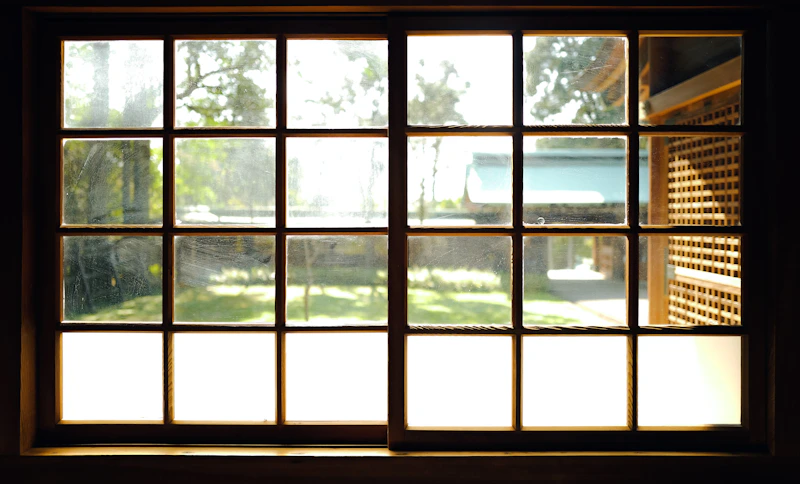
Wrong squeegee angle causes most streaking problems. Hold your squeegee at approximately 40 degrees to the glass. Too steep leaves water behind; too shallow prevents proper rubber contact.
Working in direct sunlight causes solutions to dry too quickly, creating streaks before you can squeegee them away. Clean windows in shade or during cooler parts of the day.
Dirty or contaminated bucket water transfers grime back onto glass. Change your water when it becomes cloudy or soapy from repeated applicator dipping.
Using worn squeegee rubber guarantees streaks. Even small nicks or hardened sections will leave water trails on your glass.
Spray cleaners containing ammonia, surfactants, or other additives leave invisible residues that appear as streaks. Stick to the water and dishwashing liquid method for consistent results.
Brisbane Climate Considerations
Our subtropical climate requires specific timing and technique adjustments. High humidity affects how solutions behave on glass, often making morning cleaning optimal before temperatures rise.
Brisbane's frequent storms deposit fine dust and organic matter that requires more aggressive scrubbing than you might expect. Properties near the Brisbane River or parkland areas like those around Toowong or St Lucia often need extra attention to remove environmental buildup.
The dusty months from June through September typically require more frequent cleaning to prevent heavy accumulation that makes streak-free results more difficult to achieve.

When Professional Help Makes Sense
Multi-storey homes and windows above roof lines consistently challenge even experienced DIY cleaners. Safety considerations and access difficulties often make professional window cleaning services the practical choice.
Properties with complex architectural features, like the heritage homes common in suburbs such as Paddington or New Farm, often have window configurations that benefit from professional expertise and specialised equipment.
If you're spending more than 10 minutes per standard window or streaks persist despite proper technique, the problem might be damaged glass, failed window seals, or mineral buildup requiring professional restoration techniques.
Commercial properties almost always benefit from professional services due to the frequency required to maintain appearance standards and the scale of the job.
Maintaining Your Results
Clean windows monthly during Brisbane's dustier winter months and every 6-8 weeks during wetter periods to prevent heavy buildup that makes streak-free cleaning more challenging.
Rinse window frames with your garden hose between cleanings to remove surface dust and prevent it from transferring to glass during the next cleaning session.
Replace squeegee rubber every 6-12 months depending on usage frequency. Sharp, flexible rubber remains the most important factor for achieving streak-free results consistently.
Store your tools properly between uses. Keep squeegees hanging to maintain rubber shape and store microfibre cloths clean and dry to prevent contamination.
Frequently Asked Questions
How often should Brisbane homes have their windows cleaned?
Monthly cleaning during dusty winter months and every 6-8 weeks during wetter periods maintains optimal appearance. Properties near major roads like Milton Road or construction areas may need cleaning every 3-4 weeks.
Can I clean windows on rainy days?
Light rain won't affect indoor window cleaning, but outdoor work should wait for dry conditions. Raindrops on freshly cleaned glass won't cause permanent streaking and will dry clear once weather improves.
Why does my squeegee chatter or skip on the glass?
Chattering indicates insufficient lubrication on the glass, worn squeegee rubber, or incorrect angle. Prime your squeegee with solution before each use and maintain consistent pressure at a 40-degree angle.
What causes white spots or film on windows after cleaning?
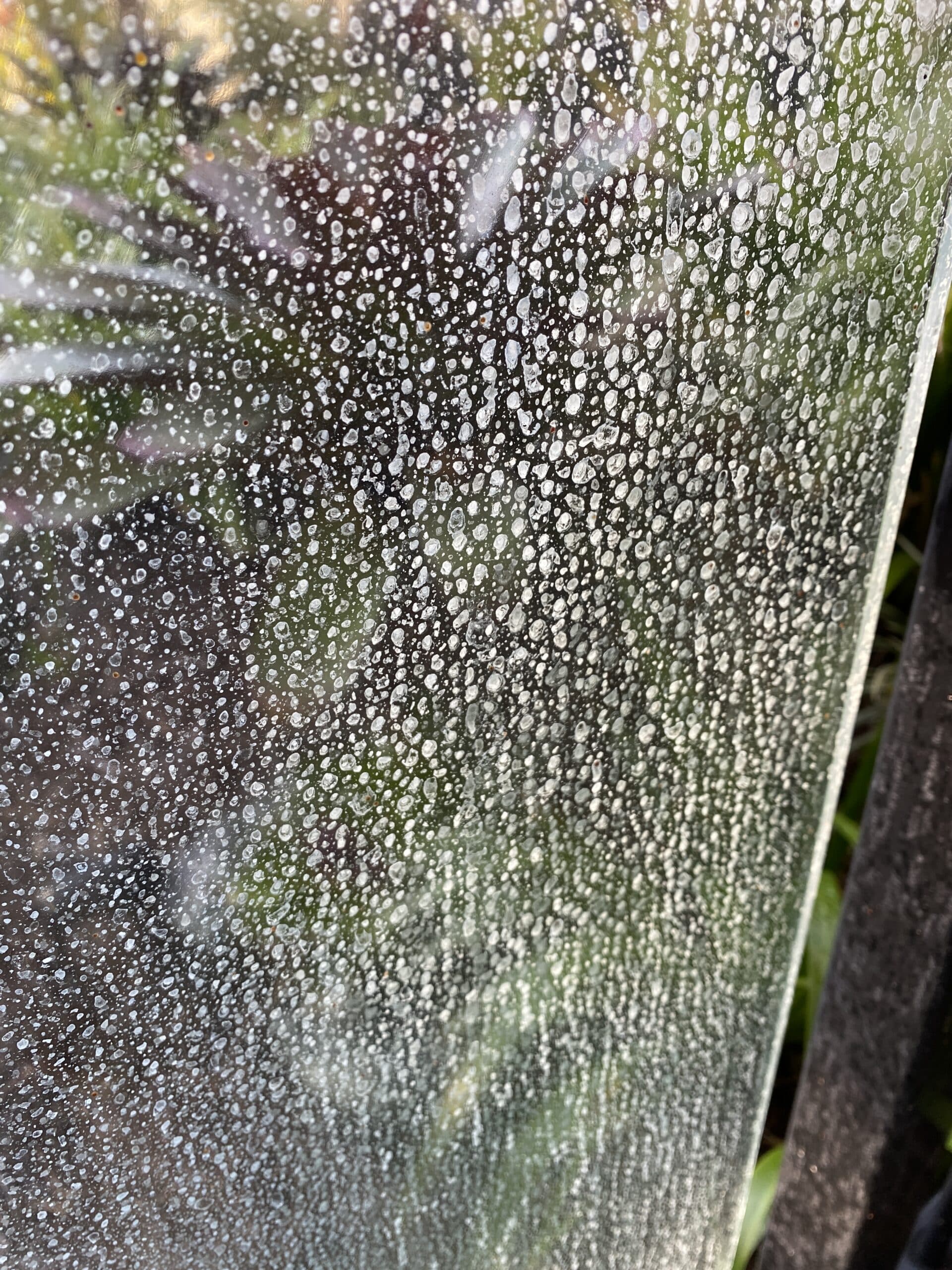
White spots typically indicate mineral buildup from hard water or residue from previous cleaning products. This often requires professional restoration techniques or specialised cleaning services similar to those used for solar panel maintenance.
Should I remove flyscreen before cleaning windows?
Yes, remove screens when possible for complete access to glass. If screens can't be removed, consider our flyscreen cleaning service to restore both components simultaneously.
Is it worth investing in expensive window cleaning tools?
Quality tools produce dramatically better results and last longer. A good squeegee and microfibre applicator will cost around $40-60 but will outperform cheap alternatives for years with proper care.
Ready for streak-free windows?
Brisbane's most trusted window cleaning team. Fully insured, 5-star rated, and locally owned by Darren Hoehne.