5 Steps for Cleaning Your Solar Panels (And Why It Matters)
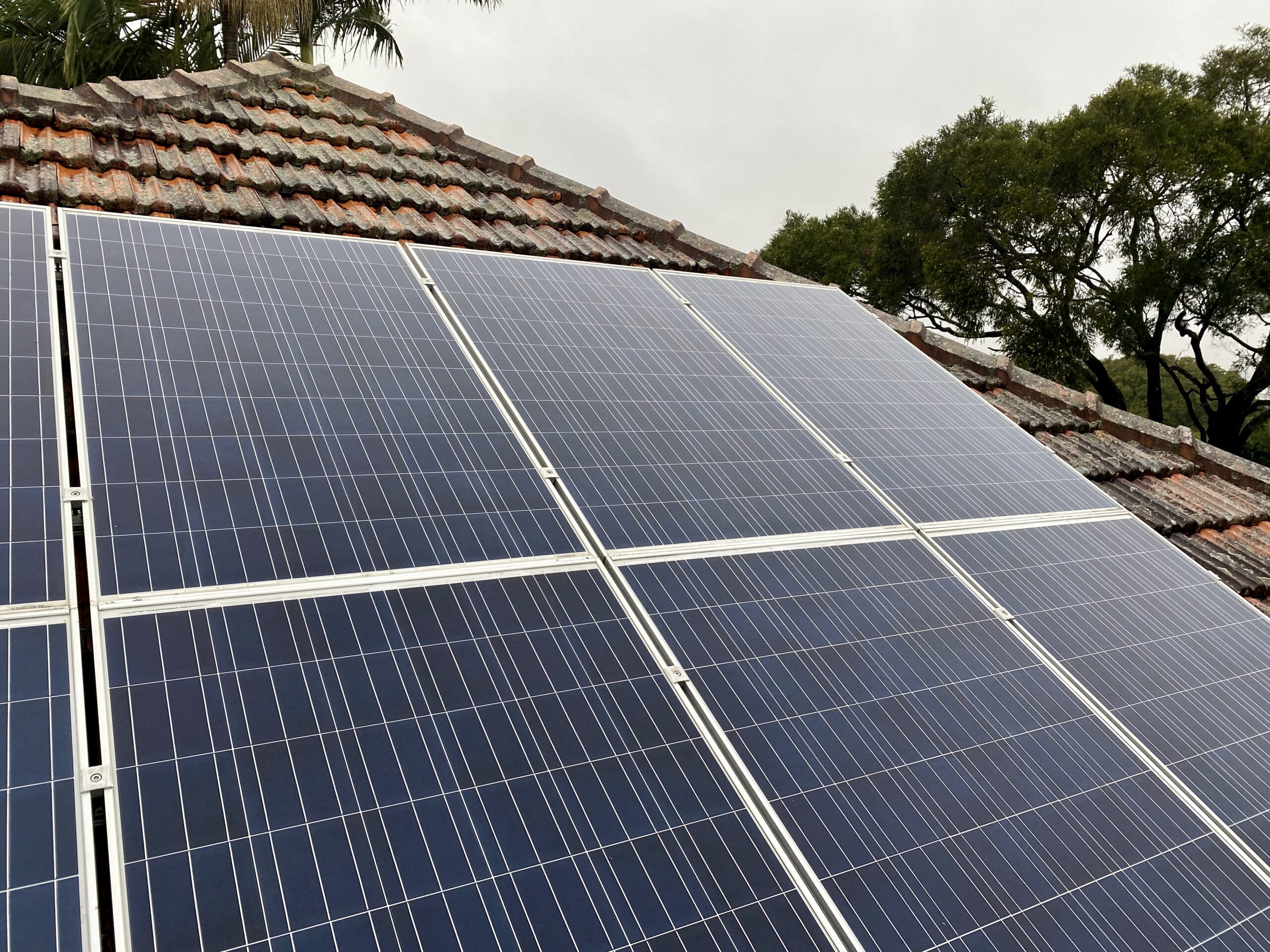
A lot of solar panel owners assume rain keeps their panels clean enough. It helps, but it doesn't do the job. Dust, pollen, bird droppings, and the mineral deposits left by rainwater all build up on panel surfaces over time and reduce output. In Brisbane's dry season especially, panels can accumulate a significant layer of dust without a drop of rain to shift it.
The good news is that a proper clean can restore a meaningful amount of lost output. Here's how to do it safely.
Why Clean Solar Panels Matter
Solar panels work by allowing light to pass through to the photovoltaic cells below. Any layer of dirt on the glass surface reduces the amount of light reaching those cells. Studies on soiling impact vary by location, but a 10-25% reduction in output from heavily soiled panels is a realistic figure for Brisbane conditions, particularly in suburbs near construction sites, major roads, or areas with heavy bird activity.
The panels that need cleaning most are also the ones hardest to notice from the ground, which is why scheduled cleaning is more reliable than waiting until you notice a drop in your electricity production.
Step 1: Turn Off the Power
Before touching your panels, turn off the solar system at the inverter and isolate the AC isolator switch. The DC side of the system carries live current whenever light hits the panels, so it cannot be fully de-energised during daylight hours, but turning off the inverter reduces the risk significantly. Always follow the shutdown procedure in your inverter manual.
If you're unsure how to isolate your system safely, this is the step that warrants getting a professional to do the job instead. Our solar panel cleaning service includes proper system isolation before every clean.
Step 2: Plan Safe Access
How you access the panels matters more than how you clean them. A fall from a roof is a serious injury risk, and it happens more often than people expect.
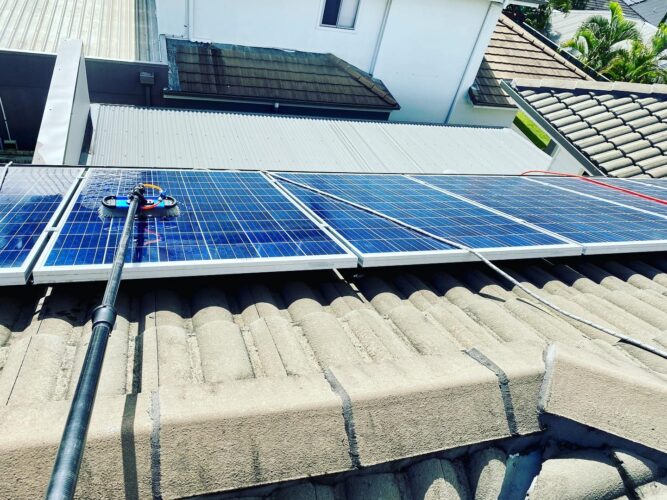
The safest option for most homeowners is a water-fed extension pole, which lets you clean panels from the ground or from the gutterline without going onto the roof. Telescopic carbon fibre poles extend to six metres or more and are lightweight enough to use overhead.
If you do go onto the roof, wear non-slip footwear, use a proper roof ladder that distributes your weight across the tiles, and never work within three metres of the edge without a guardrail or safety harness. Be aware of overhead power line locations before setting up a ladder.
Step 3: Apply Water and Clean
The cleaning method depends on the level of soiling and the equipment available.
Garden hose with spray nozzle — Suitable for light dust. Works best early in the morning before panels heat up; cold water on hot panels can cause thermal stress in older units.
Water-fed pole with soft brush — The standard professional method. Pure water (de-mineralised or reverse osmosis) is delivered through the pole to a soft bristle brush. The pure water leaves no mineral residue, so the panels can air-dry spot-free. This is the most effective DIY approach if you can access the equipment.
Sponge and bucket — For accessible panels, a soft sponge with mild soap (minimal detergent) and clean water works. Rinse thoroughly — soap residue left on panels attracts dust faster.
Avoid high-pressure washers. They can force water into the panel frame and wiring connections, and the pressure can damage the anti-reflective coating on some panels. Never use abrasive pads or harsh chemicals.
Step 4: Rinse and Check
Rinse panels thoroughly with clean water after cleaning. Any soap or detergent residue left on the surface reduces efficiency and accelerates resoiling. Check panel surfaces from different angles to make sure no bird droppings or smear marks remain.
After cleaning, it's worth doing a visual inspection of the panel frames for cracking, lifting, or signs of water ingress. Problems caught early are far cheaper to fix.
Step 5: Set a Cleaning Schedule
Clean solar panels every three to six months as a baseline. Adjust this based on your property's location:
Properties near parks, reserves, or large trees collect more pollen and bird droppings and benefit from quarterly cleaning. Properties near construction sites or unsealed roads accumulate dust more quickly. Coastal properties in Brisbane's bay-side suburbs deal with salt spray in addition to general soiling.
Monitoring your inverter's power output is the best early-warning system. Most modern inverters provide daily generation data via an app. A gradual decline in generation on clear days often points to soiling before it becomes visible.
For Brisbane homeowners who'd rather leave it to someone who works at height every day, our solar panel cleaning service handles the whole job safely and efficiently, including system isolation, access, and a post-clean output check.
Ready for streak-free windows?
Brisbane's most trusted window cleaning team. Fully insured, 5-star rated, and locally owned by Darren Hoehne.